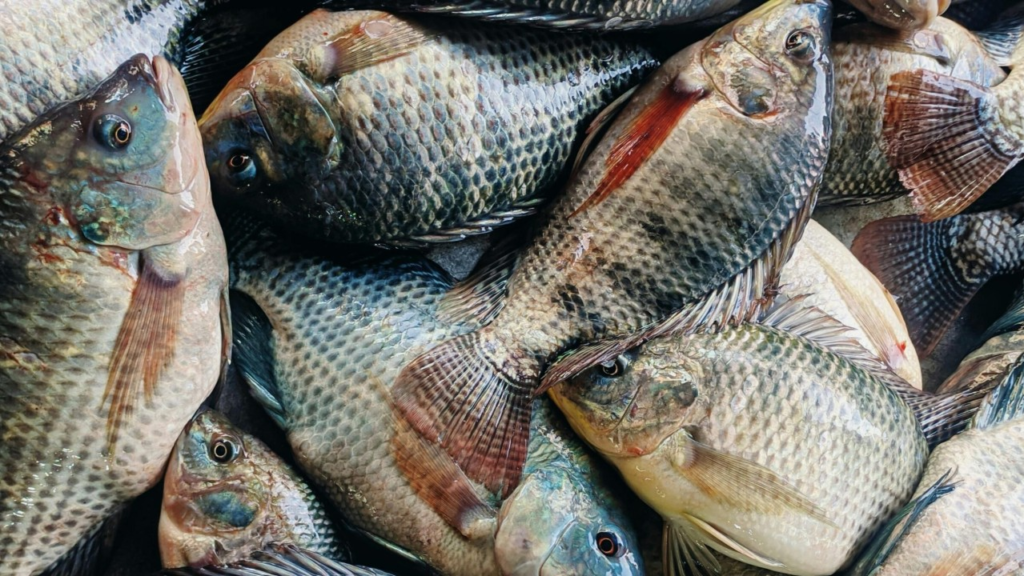
On the global aquatic trade chain, China’s tilapia (Tilapia, Oreochromis mossambicus) industry stands at a tense crossroads. Recently, raw material prices in Guangdong, its core production region, have risen against the trend, while those in neighboring Hainan and Guangxi have remained unchanged. Behind this regional divergence lies a microcosm of intense collision between internal aquaculture cycle adjustments and external trade environment uncertainties. Upstream production has contracted due to prolonged losses, while downstream exports are constrained by high overseas inventories and policy fog. A complex game over supply, costs, and pricing power is unfolding.
Supply Contraction Drives Regional Price Hikes, Cost Advantage Quietly Reverses
The core driver of the current price fluctuation is a historic contraction in supply. Because the farming sector remained in low-profit or even loss-making territory for an extended period in 2025, farmer confidence was severely hit, leading to a sharp drop in stocking intentions.
As time passed, the impact of this decision has transmitted to the stage of market-sized fish harvest, making the supply of tilapia meeting processing specifications increasingly tight. In Guangdong, processors have had to scramble for raw materials to prepare for the upcoming production season, raising prices to secure volumes. However, this increase of RMB 0.50/kg, while quenching immediate thirst, has brought new troubles: Guangdong’s raw material cost has overtaken Hainan’s, eroding its key cost advantage in export competition. This paradox of “higher prices but lost advantage” profoundly reveals the industry’s passive position due to lack of pricing power.
Overseas Inventories and Policy Fog Suppress Demand and Industry Decisions
In stark contrast to the “heat” on the supply side is the “coldness” and uncertainty on the demand side. Across the Pacific, the U.S. market—the primary destination for Chinese tilapia exports—is currently quiet due to ample inventories held by importers. Buyers are engaging only in “coverage buying” to meet immediate needs, lacking the impetus for large-scale restocking, making it difficult to pass on rising Chinese raw material costs to end consumers.
An even more profound impact comes from trade policy. Although earlier news suggested that the comprehensive tariff on Chinese tilapia in the U.S. might be lower than the most pessimistic expectations, the specific details and implementation timeline of the new tariff policy remain uncertain. This state of “knowing a tariff exists but not its shape” hangs like the Sword of Damocles, particularly deterring processors in export-dependent regions like Hainan from daring to follow price hikes in procurement, forcing them to remain cautiously on the sidelines. While the domestic market is being developed, it cannot yet replace the huge export volume in the short term.
Future Outlook: A Tightening Cycle Approaches, Industry Resilience Tested
Looking ahead, more drastic market adjustments may be hard to avoid. Warning signs from the seed stock stage: spring fry stocking volumes in Guangdong, Hainan and other areas have “plummeted by over 50%” due to persistently depressed market conditions. This implies that raw material shortages will become even more pronounced in the coming months.
Meanwhile, feed prices have risen across the board due to soaring costs of fishmeal, soybean meal, and other inputs, further squeezing already thin farming profits—adding insult to injury. The industry faces a critical time window: when will U.S. market inventories be depleted? When will fish stocks in Chinese production areas hit a tipping point? The convergence of these two factors could ignite a new round of price volatility. This requires the entire industrial chain, from farmers to exporters, to move beyond traditional cost-supply-demand analysis frameworks, incorporate “policy uncertainty” as a core variable into decision-making, and build a more resilient industrial system through market diversification, product upgrading, and other means.