Week 37, 2026: China’s Tilapia Market — Regional Split, US Exports Down, Africa Rising

China’s tilapia market showed regional divergence in Week 37, 2026. Guangdong and Guangxi raw material prices rose by RMB 0.20/kg and RMB 0.40/kg due to tighter supply, while Hainan remained flat. US frozen tilapia fillet wholesale prices stabilized, but US imports from China fell 16% year on year to 78.57 million lb through June. As Mexico overtakes China in US-bound volumes and African markets such as Côte d’Ivoire grow, China’s tilapia exports are shifting toward new destinations.
Rising Costs & Shrinking Margins | Dual Pressures on China’s Tilapia Processors
In week 34 of 2026, China’s raw tilapia prices stabiliz […]
July 2026 Tight Supply Boosts China Tilapia Prices
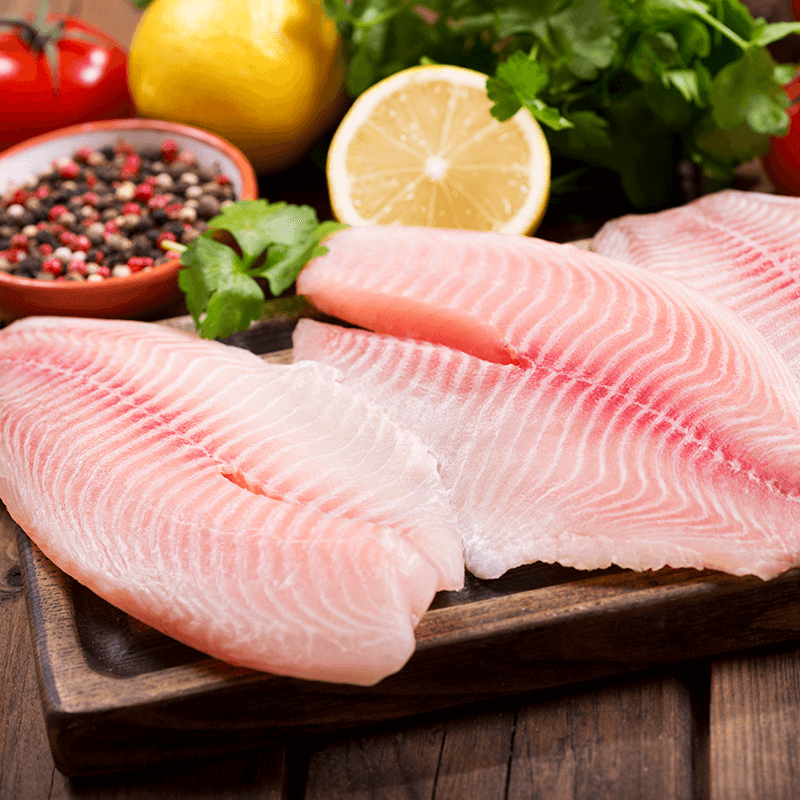
In July 2026, China’s tilapia raw material market saw regional price increases (Guangdong and Guangxi up by RMB 0.10/kg) driven by a 40%–50% year‑on‑year drop in H1 fingerling stocking, while Hainan prices remained flat. However, processors are unable to pass on costs due to weak export orders, high U.S. tariffs (40%–57.5%), and fierce competition, leaving margins squeezed. The U.S. wholesale market stays stable on ample inventories. Meanwhile, China’s exports are rapidly shifting toward Mexico, Côte d’Ivoire, and other African/Latin American markets, reflecting accelerating destination diversification.
Raw Material Costs Surge for Chinese Tilapia Exporters Amid 57.5% Tariff Wall and Sluggish Orders
China’s tilapia raw material prices are surging due to a sharp drop in fingerling stocking (by as much as 50%), yet processors are trapped in a painful bind—rising costs on one side, falling export prices on the other. Weak U.S. demand and a 57.5% tariff wall leave no room to pass through the hikes. The tighter domestic supply gets, the more stable overseas markets appear—and this price squeeze is bleeding processors dry. The biggest question for the second half: will China’s “fish shortage” eventually break through the U.S. inventory buffer and trigger a global price rerating? Right now, the answer seems to be leaning toward “yes.”
Week 27 Tilapia Market Brief: Supply‑Driven Price Recovery Overshadowed by Weak US Demand and 57.5% Tariffs

In Week 27 of 2026, farm‑gate tilapia prices in Guangdong and Guangxi inched up by RMB 0.10/kg, breaking a prolonged downturn. However, the uptick was driven by supply contraction—reduced stocking due to first‑half losses led to lower pond inventories—rather than demand recovery. US market demand remains sluggish, with ample inventories and cautious buyer sentiment, while a combined 57.5% tariff (45% baseline + 12.5% additional) continues to weigh on Chinese exports. No official clarity has emerged on whether tilapia will benefit from potential tariff reductions following Sino‑US trade talks. Most farmers are still operating below the breakeven level of RMB 8/kg, and emerging fingerling supply gaps may curb marketable output in the second half of 2026 and early 2027. In the near term, price trends will be shaped by the ongoing interplay between export demand and raw material availability, with significant uncertainty ahead.
China Tilapia Market Weekly — Week 23, 2026: Price stabilization, reduced fry stocking, and export diversification reshape industry outlook
After more than a year of low prices and industry-wide […]
Is China About to Run Out of Export Tilapia? Spring Fry Plunge >50%

On the global aquatic trade chain, China’s tilapi […]
U.S. Tilapia Prices Drop Amid High Inventories and 55% Tariff – Market Outlook 2026
U.S. tilapia prices have fallen again, with frozen fillet wholesale quotes dropping approximately $0.05 per pound in the second week of April 2026. High inventory levels continue to weigh on the market, while a 55% tariff on Chinese tilapia imports distorts purchasing decisions and supply chain planning. Import volumes from China have hit their lowest level for the January–February period since 2012, signaling an ongoing inventory liquidation. Upstream farmgate prices in China’s producing regions have diverged as processors struggle with margin pressure. Until inventories decline significantly and buyers return for replenishment, U.S. tilapia wholesale prices are likely to remain under pressure. This is the current state of the U.S. tilapia market in 2026.